Workplace EV Charging: A Guide for Placentia Businesses
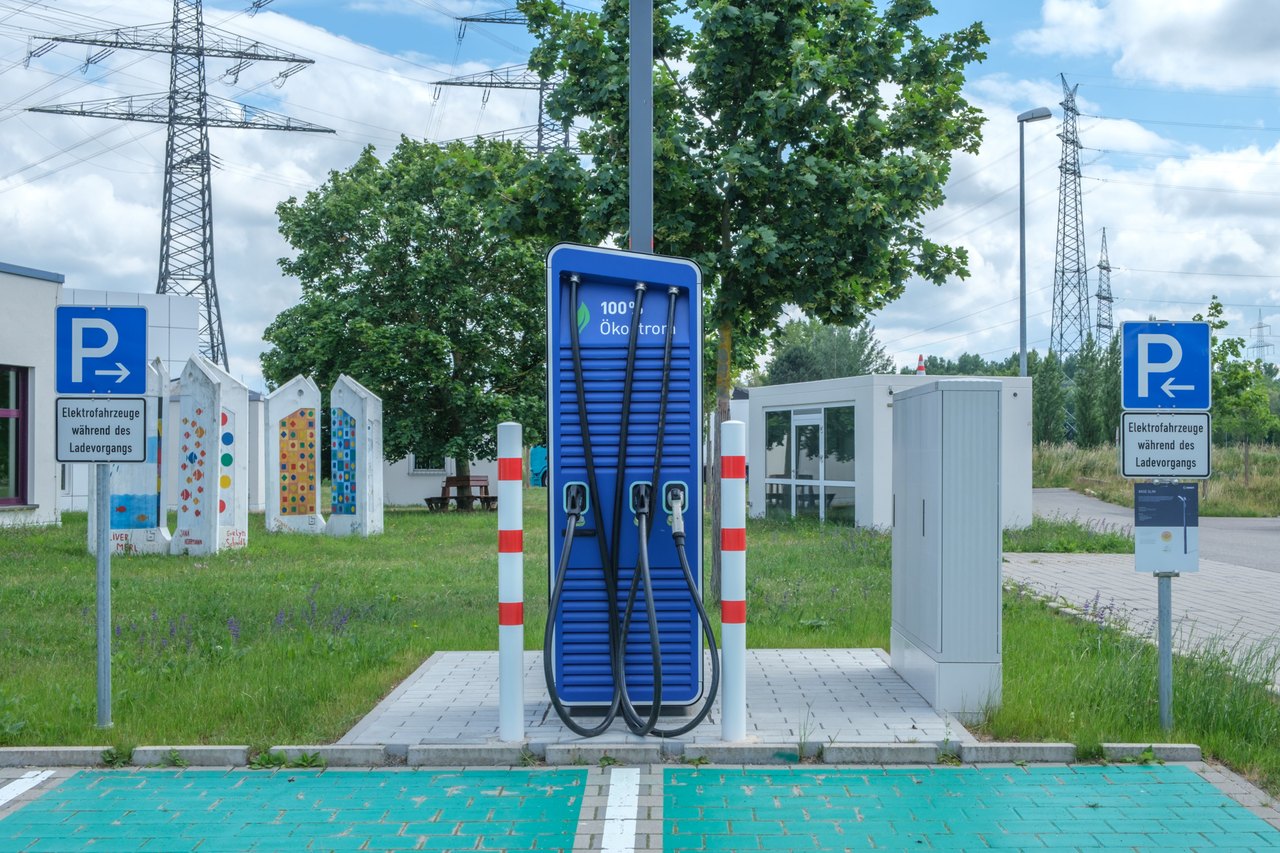
As more employees and customers drive electric, EV charging has quietly become part of what a competitive Placentia workplace offers, right alongside good parking and fast Wi-Fi. Whether you run an office, a retail center, or a light-industrial site, adding chargers can help you attract talent, keep customers on-site longer, and get ahead of a shift that is only accelerating. This guide covers why businesses are installing commercial and workplace EV charging stations, the types of setups available, what installation involves, and how billing and incentives work, so you can plan a project that fits your property and your budget.
Why Offer EV Charging at Your Business
Workplace charging solves a real problem for the growing share of employees who cannot easily charge at home, particularly those in apartments and condos, and it does so during the hours their cars would otherwise sit idle in your lot. For customer-facing businesses, chargers give visitors a reason to choose your location and to stay longer while they shop or dine. There are practical business upsides too: charging can support a fleet transition, contribute to sustainability goals that customers and partners increasingly ask about, and differentiate your property in a tight commercial market. For many Placentia businesses, the question has shifted from whether to offer charging to how to do it without overbuilding.
Types of Workplace Charging
Workplace charging is not one thing, and matching the type to your users keeps the project right-sized. The main setups differ by who uses them and how long cars stay parked.
- Employee charging: Level 2 stations where cars park for a full shift, so moderate power comfortably tops off a battery during the workday.
- Customer or destination charging: Level 2 stations in retail, dining, or hospitality lots that add convenience and dwell time.
- Fleet charging: dedicated stations sized to your vehicles' schedules, often with load management to charge overnight or between routes.
- Networked, billed stations: connected units that authenticate users and bill by session, so you control access and recover energy costs.
- EV-ready infrastructure: conduit and panel capacity installed now so stations can be added as demand grows.
Thinking about adding charging at your Placentia business? We assess your site and electrical capacity and design a commercial charging setup that fits your users and budget.
Instant QuoteNetworked stations are usually worth it for a business. ENERGY STAR notes that connected EV chargers allow remote power monitoring and control and can qualify property managers for special energy programs. For a workplace, that means usage data, access control, automatic billing, and load management that keeps several chargers from overwhelming the panel, all of which turn charging from a cost center into something you can actually manage.
What It Takes to Install
A commercial charging project is more involved than a home install, but it follows a clear path. It starts with a site assessment: how much spare capacity your electrical service has, where the panel sits relative to the parking, and how the conduit will run, sometimes including trenching across a lot. From there the design settles the number and type of stations, the power each will draw, and whether load management is needed to stay within the service. The U.S. Department of Energy's Alternative Fuels Data Center stresses that charging equipment should be installed by a qualified electrician and that permits are required, and on a commercial site that also means meeting accessibility and code requirements for the number and placement of stations.
Costs, Billing, and Incentives
The cost of workplace charging scales with the number of stations and how much electrical work the site needs, so a phased, EV-ready approach often makes the most financial sense. On billing, networked stations let you set a rate, offer free charging as a perk, or simply recover your energy cost, and they meter each session so you are never guessing. Incentives can offset a meaningful share of the project: California's DriveClean guide points to the federal Alternative Fuel Infrastructure Tax Credit for charging equipment, businesses may qualify for a larger commercial version than homeowners, and Southern California Edison runs Charge Ready programs aimed at commercial and workplace sites. Confirming which incentives apply before you design the project can change how many stations you can afford, so it belongs at the very start of planning rather than as an afterthought once the layout is fixed.
Common Mistakes to Avoid
A few missteps show up again and again on workplace projects. The first is overbuilding: installing more stations than anyone uses yet, when EV-ready conduit plus a couple of chargers would have covered demand for years at a fraction of the cost. The second is ignoring load management, then discovering that running several chargers at full power trips the service or forces an expensive upgrade that smart load-sharing would have avoided. The third is treating charging as free forever without metering, which invites all-day parking in charging spots and unpredictable energy bills. And the fourth is skipping the permit or accessibility requirements, which can mean redoing work after a failed inspection. Planning around these four up front keeps a workplace project on budget and on schedule from day one.
Placentia Specifics
Placentia's mix of office parks, retail centers, and light-industrial sites along corridors like Kraemer Boulevard and Orangethorpe Avenue makes it well suited to workplace charging, where employees and customers park for meaningful stretches. The city is served by Southern California Edison, so commercial projects here can tap SCE's Charge Ready commercial offerings and time-of-use rates that reward charging outside peak hours, which pairs naturally with load-managed workplace stations. As with any commercial electrical work, the project runs through the city for permits and inspection, so building that timeline into your plans keeps the rollout smooth.
Workplace EV Charging: Common Questions
How many charging stations does my business need?
Start with your users and your parking rather than a round number. Count how many EV-driving employees or customers you have today, add room for growth, and match the count to how long cars stay parked. Many businesses install a few networked Level 2 stations now and add EV-ready conduit so more can be added later without tearing up the lot again.
Should workplace chargers be free or paid?
Both models work. Free charging is a straightforward perk that draws employees and customers, while networked stations let you set a rate to recover energy costs or manage demand. Because connected stations meter each session, you can start free and switch to paid later, or price it just high enough to discourage all-day hogging of a spot.
Can my business get incentives for EV charging?
Often, yes. California's DriveClean guide points to a federal tax credit for charging infrastructure, with a larger commercial version available to businesses than the residential one, and Southern California Edison runs Charge Ready programs aimed at commercial and workplace sites. Confirm current eligibility and funding before you finalize the design, since it can change how many stations you install.
Do commercial EV chargers need permits in Placentia?
Yes. Any new charging circuit is electrical work that requires a permit and inspection through the city, and commercial installations must also meet accessibility and code requirements for station count and placement. The Department of Energy recommends a qualified electrician for the work, which on a commercial site is essential for passing inspection the first time.
How long does a commercial charging install take?
It depends on the scale. A couple of Level 2 stations near an existing panel can be a short project, while a larger lot needing trenching, load management, and a service upgrade takes longer and involves more coordination with the city and the utility. A site assessment gives you a realistic timeline before you commit, and phasing the work with EV-ready conduit can shorten the disruptive part.
Add EV Charging to Your Placentia Business
From a couple of employee stations to a full networked lot, we assess your site, size the electrical, and handle the permits and inspection start to finish.