Installing an EV Charger in an Older Placentia Home: What to Know First
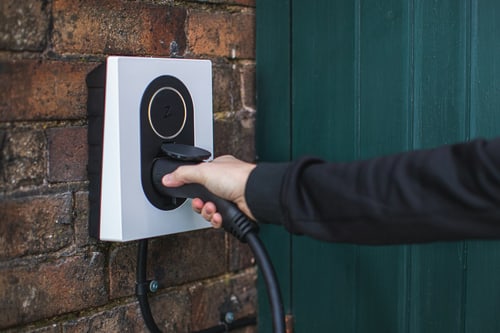
Most of Placentia's single-family homes were built from the 1950s through the 1970s, a wave of single-story ranch houses that still define neighborhoods from Old Town out to the tracts north of Chapman Avenue. They are solid homes, but they were wired for an era of window air conditioners and a couple of televisions, not a car that draws as much power as an electric range. Adding a Level 2 charger to a house like this is usually very doable, but it starts with an honest look at what the electrical system can handle. This guide walks through what owners of older Placentia homes should check before an install, how an electrician assesses the system, and the upgrades that tend to come up.
Key Takeaways
- A Level 2 charger is a large, continuous 240-volt load that many homes built before the 1980s were never designed to carry.
- The first thing an electrician checks is your main panel's amperage rating and how much spare capacity is left after your existing loads.
- Homes wired with aluminum branch circuits, common before 1972, need extra care because aluminum connections can overheat over time.
- A 100-amp service can sometimes support a charger with load management, but many older Placentia homes benefit from an upgrade to 200 amps.
- The City of Placentia requires a building permit for an EV charging station, and these applications get expedited review under state law.
- Southern California Edison's Charge Ready Home program offers rebates of up to $4,200 toward a qualifying Level 2 charger installation.
Older homes were not wired for an electric car
A Level 2 EV charger is one of the largest loads you can add to a house, and older homes were not built with it in mind. Level 2 equipment runs on a 240-volt circuit, the same voltage as an electric dryer or range, and a charger can draw 40 amps or more for hours at a time. The U.S. Department of Energy's Alternative Fuels Data Center notes that some homes have insufficient electrical capacity for Level 2 equipment and that a qualified electrician can tell you whether yours does and, if needed, add the circuits to support it. In a mid-century Placentia ranch house that already runs central air, a pool pump, and a kitchen full of modern appliances, that spare capacity is exactly what tends to be in short supply.
Start with your electrical panel and its spare capacity
The single most important number is your main panel's amperage rating, printed on the main breaker. Many homes from the 1950s and 1960s were built with 60- or 100-amp service, while newer construction and remodels usually carry 200 amps. A charger needs its own dedicated 240-volt circuit, and that circuit has to fit both physically, in an open double-pole breaker slot, and electrically, within what the service can safely supply. An electrician settles this with a load calculation: adding up your home's existing demand and checking whether a 40- or 48-amp charger still leaves the panel within its rating. A 100-amp panel already crowded with a heat pump and an electric water heater may have no room left, while the same panel in a lightly loaded home might accommodate a charger with careful planning.
Aluminum wiring is a specific older-home concern
If your home was built or rewired between roughly 1965 and 1972, it may contain aluminum branch-circuit wiring, which calls for extra caution. The U.S. Consumer Product Safety Commission reports that homes wired with aluminum before 1972 are 55 times more likely to have connections reach fire-hazard conditions, because aluminum connections can loosen and overheat as current passes through them. This matters for an EV install because a charger is a heavy, sustained load, and it is a reason to have a licensed electrician inspect the connections rather than assume the existing wiring is ready. The fix is not to avoid charging but to address the wiring properly, whether that means pigtailing connections with approved connectors or running a new dedicated circuit in copper for the charger itself.
How an electrician assesses an older home
A proper assessment follows the whole path from the street to the parking spot, not just the charger. The electrician checks the service size and the condition of the main panel, confirms there is an open breaker slot or room for a subpanel, and runs the load calculation that decides how many amps the charger can safely use. They also look at the practical route for the new circuit, since the distance from the panel to the garage or driveway affects the wire gauge and the cost. In many older Placentia homes the panel sits on an exterior wall near the garage, which keeps the run short; in others, the panel is on the far side of the house and the wiring run becomes the bigger part of the job.
Common upgrades older Placentia homes need
When an older home cannot take a charger as-is, a handful of upgrades come up repeatedly. A main service upgrade to 200 amps is the most thorough fix, replacing the panel and often the meter and service entrance so there is ample capacity for the charger and future loads. Where the service itself is adequate but breaker space is tight, an electrician may add a subpanel. A lower-cost alternative that has grown popular is a load-management device, which lets a charger share an existing circuit by automatically throttling when other big appliances switch on, sometimes avoiding a full panel upgrade entirely. The right choice depends on your load calculation, how far you drive, and whether you expect to add other electric appliances down the road.
Permits, rebates, and what to budget in Placentia
Every EV charger install in Placentia needs a permit, and there is help on the cost. The City of Placentia requires a building permit for an electric vehicle charging station and, under California's AB 1236, reviews those applications on an expedited basis, which keeps the paperwork from becoming a bottleneck. On the incentive side, Southern California Edison offers a Charge Ready Home rebate of up to $4,200 toward a qualifying Level 2 charger installation, which can offset a meaningful share of the work. As for cost, industry sources put a basic Level 2 install in the several-hundred to roughly two-thousand-dollar range, while a main panel upgrade typically adds a few thousand dollars more; the load calculation and circuit route are what move your number most. A local specialist like Placentia EV Charger can scope the panel work and the charger install together so nothing becomes a surprise.
Frequently Asked Questions
Do I need to upgrade my electrical panel to install an EV charger?
Not always. Whether you need a panel upgrade depends on your main service rating and how much of it your existing appliances already use. An electrician runs a load calculation to decide, and in many cases a dedicated circuit, a subpanel, or a load-management device solves the problem without replacing the main panel.
Can I install a Level 2 charger on a 100-amp panel?
Often yes, but it depends on your other loads. A 100-amp service in a lightly loaded home may support a charger, especially a lower-amperage model or one paired with a load-management device. A 100-amp panel already serving central air, electric heat, and a water heater may not leave enough headroom, in which case an upgrade is the safer route.
How do I know if my older home has aluminum wiring?
Look for the markings AL or Aluminum printed on the cable jacket in the panel or at outlets, which is how the Consumer Product Safety Commission suggests identifying it. Homes built or rewired between about 1965 and 1972 are the most likely to have it. Because aluminum connections need specialized handling, have a licensed electrician confirm and address it rather than opening devices yourself.
Is a permit required to install an EV charger in Placentia?
Yes. The City of Placentia requires a building permit for an electric vehicle charging station, and state law directs the city to review those applications on an expedited timeline. A licensed installer typically pulls the permit and schedules the inspection as part of the job, so the charger is installed to code.
Not sure what your older Placentia home can handle? A load calculation and a quick look at your panel will tell you exactly what a charger needs.
Instant QuoteCharge an older Placentia home with confidence
An older house is not a barrier to going electric; it just needs a clear-eyed look at the panel and wiring before the charger goes in. A local, licensed electrician can tell you what your home needs and handle the permit, panel work, and install together.